

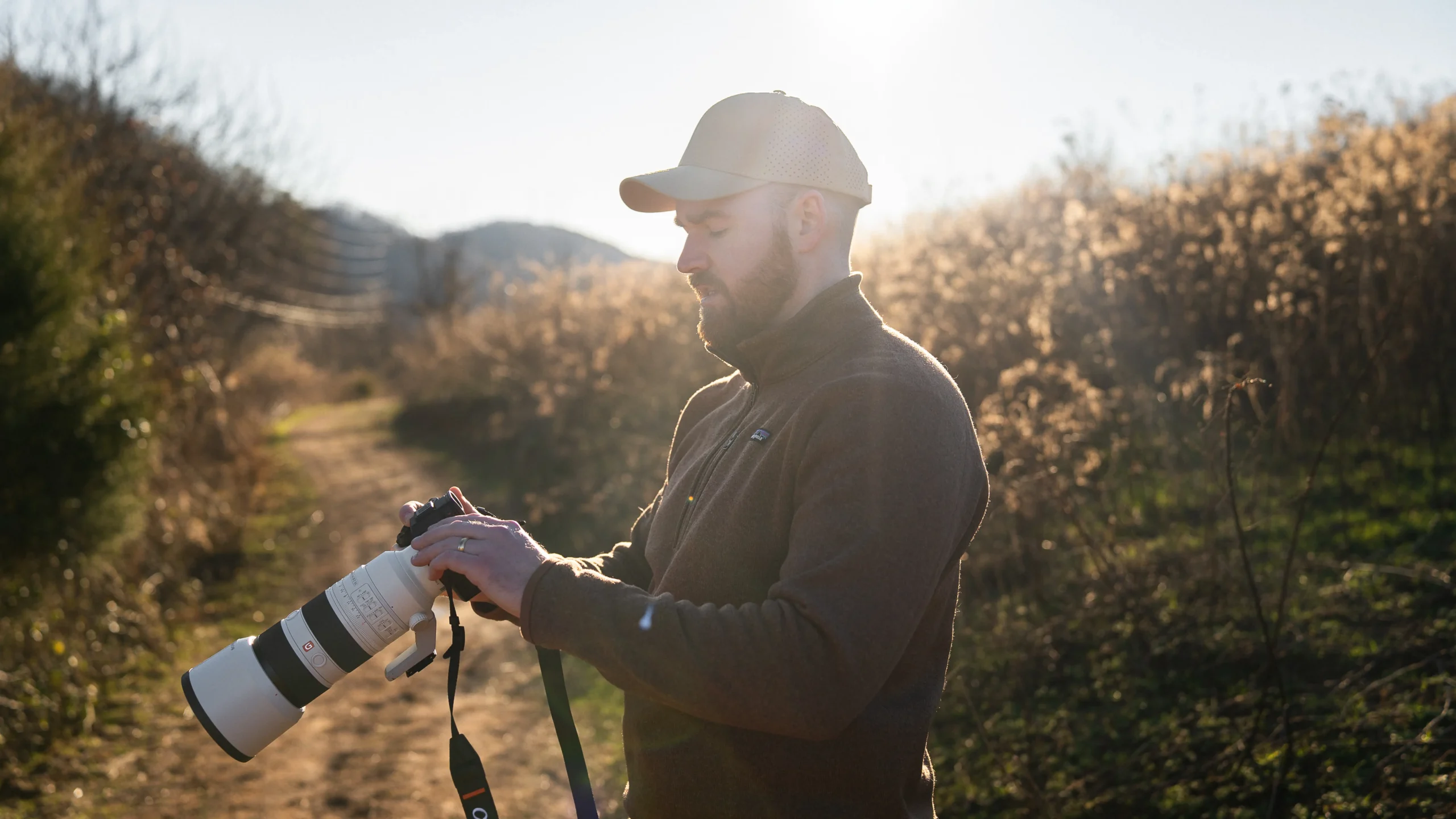
The Sony Alpha A7 V is now available, and a lot of people are trying to decide whether it should be their next camera. For me, the answer felt pretty clear. After five years of updates and new features across Sony’s lineup, my previous camera was starting to feel overdue for an upgrade.
The past few years, a portion of my outdoor photography has shifted more toward wildlife, and that’s where the limitations started to show. Autofocus on my camera struggled, the frames per second felt limiting, and pairing my A7C with a telephoto lens honestly felt ridiculous. For the record, I still love my old camera. It’s just shifting into a secondary role now, and it’s a camera I’d still confidently recommend.
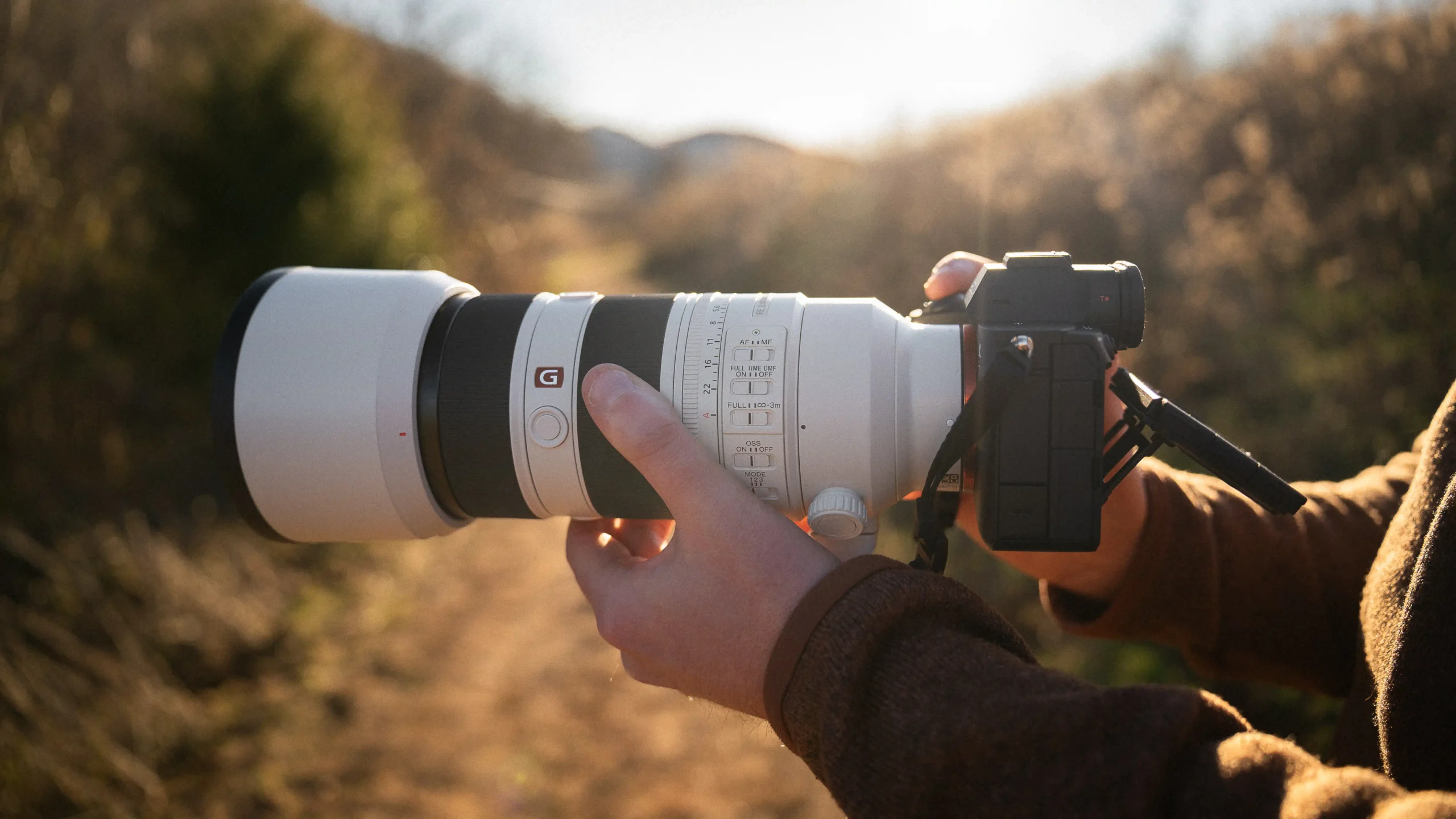
I have to admit, the A7 V surprised me. 30fps, pre-capture, speed boost, AI assisted autofocus, and a new partially stacked sensor are features I usually associate with Sony’s flagship cameras. Seeing all of that in a mid-tier body felt like a noticeable shift in what Sony is aiming for.
The take aways from this post will be me sharing my first impressions and opinions on the A7 V. I’ll speak on the features I’ve most noticed, and what’s still finding its place in my workflow.
Disclaimer: Some links in this post are affiliate links, which means I may earn a small commission if you buy something. It doesn’t cost you anything extra, and I only recommend gear I actually use and trust.
The Wildlife Holy Trinity: Speed Boost, Pre-Capture, and 30 fps
Pressing the shutter and hearing the camera fire off 30 frames in a single second is insanely satisfying. The only downside, having to go back and cull the 120 photos you took in less than five seconds. With great speed comes great responsibility, or something like that.
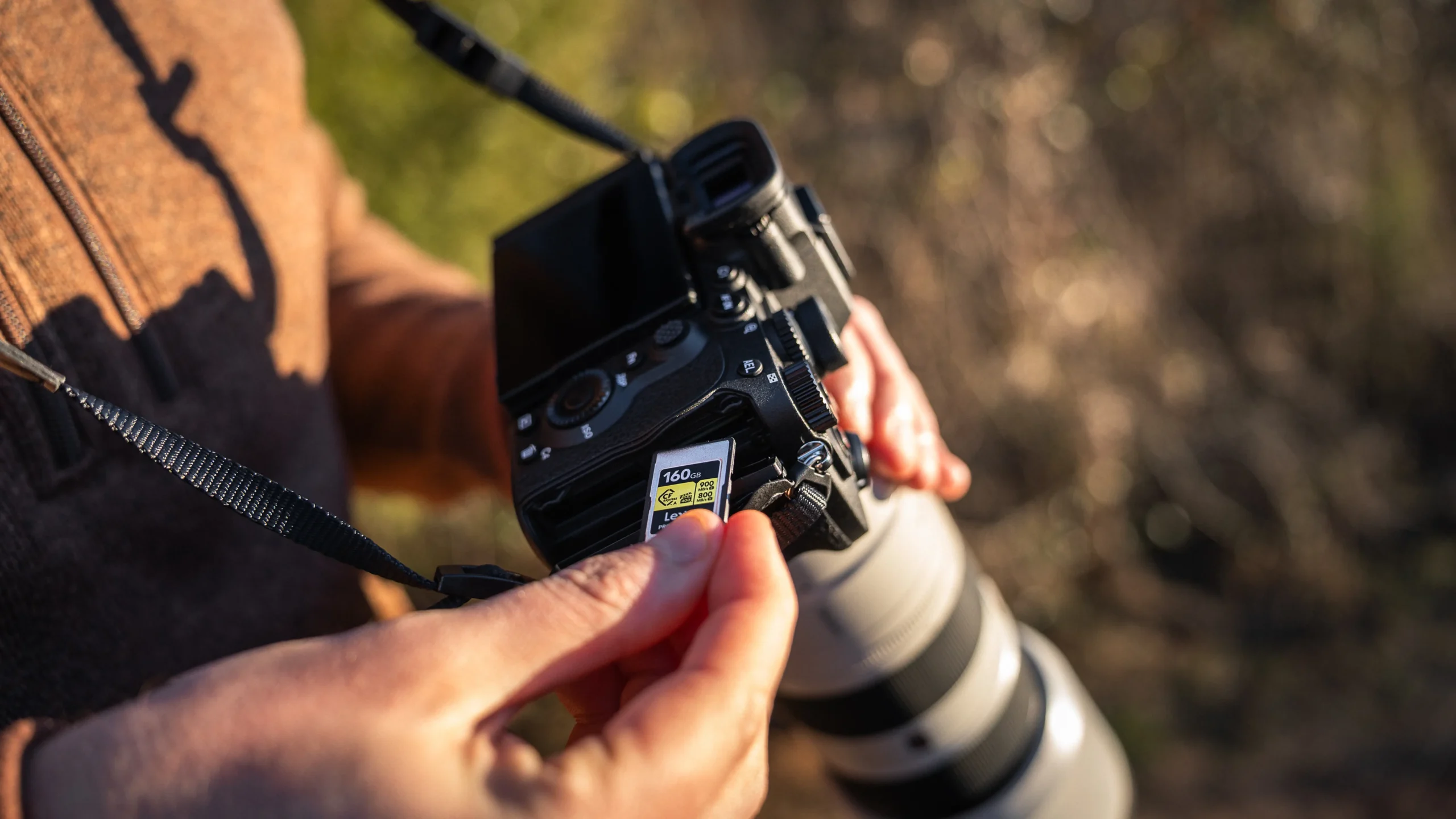
To capture 30 frames per second, you’ll need at least one CFexpress Type A memory card. Speed Boost mode can be assigned to a custom button on your camera or lens. I have the speed boost button assigned to the button on my camera lens. Even if I’m shooting in single-shot mode, if a situation arises where I need the speed boost (such as an eagle flying overhead). I can hit my custom button and instantly switch to 30fps shooting.
I have Pre-Capture set to turn on whenever I toggle Speed Boost. What’s Pre-Capture? It’s a setting that lets the camera start capturing photos even before you press the shutter. You can set Pre-Capture to go back a full second. This setting is for situations where you hit the shutter a little to late… Seriously, this combination of features should make you feel some kind of way if you’re interested in wildlife, sports, or anything requiring exact timing.
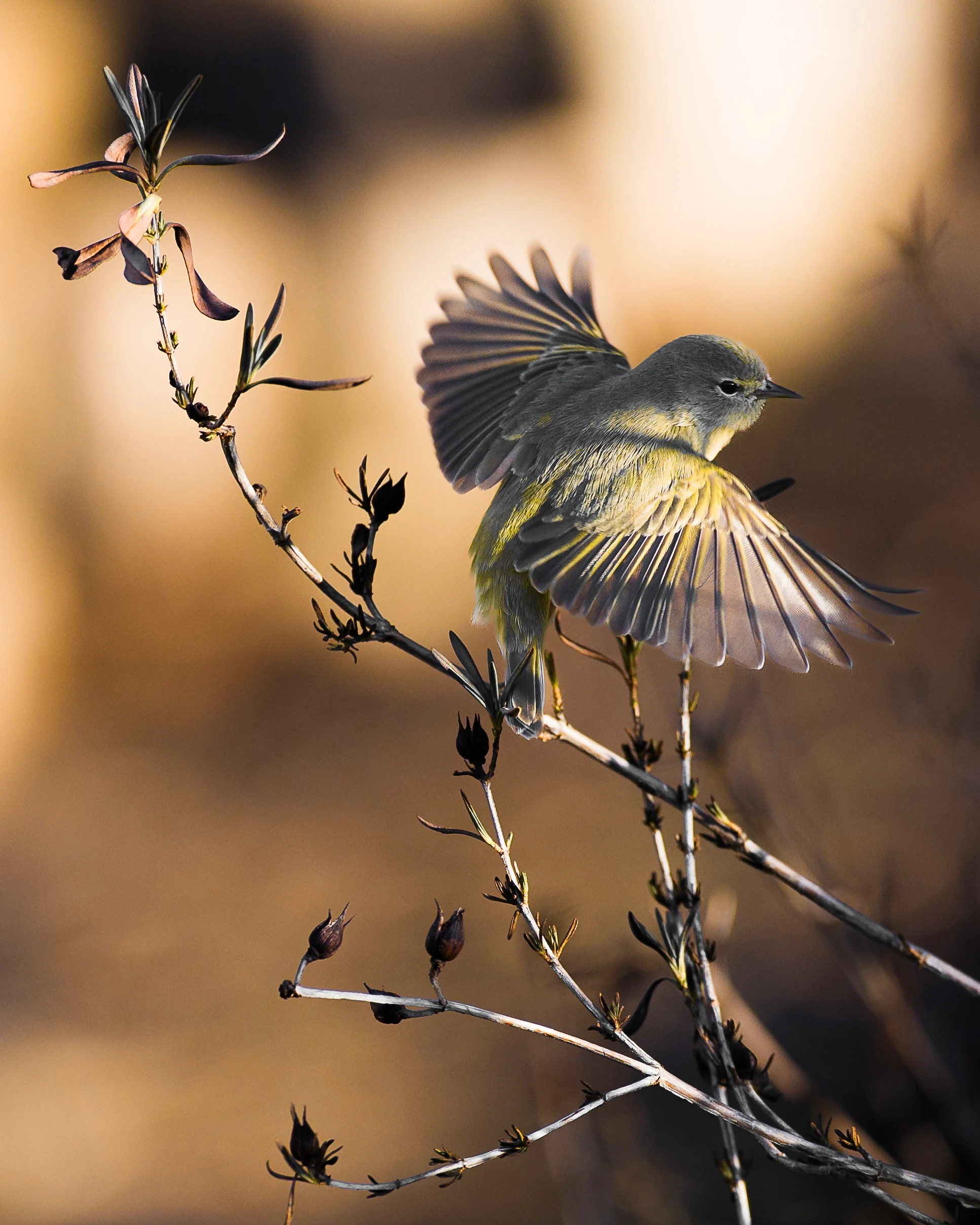
**Of note, there’s been some discussion online about frame rates being limited when using non-Sony lenses. I tested this myself with my Tamron 28–75 G2 and didn’t notice any drop in performance. From what I experienced, the camera consistently held 30fps while using Speed Boost.
Full-Frame Partially Stacked Sensor and AI Processor
The A7 V has a 33MP sensor, a noticeable step up from the old mid-tier standard 24MP. The sensors ability to capture extra detail gives more wiggle room for cropping in post, something I do often when editing. Its dynamic range is an impressive 16 stops, preserving more detail in both shadows and bright skies. With the extra detail and improved dynamic range, I expect to see some small improvements with capturing landscapes.
Paired with the new BIONZ XR2 processor, the A7 V feels fast and responsive. I noticed that autofocus locks on quicker when you’re shooting fast-moving subjects. The biggest improvement I’ve noticed, though, is color. Images come out looking less flat and more true to life, especially with landscapes and skin tones. For wildlife, the improved processing helps keep moving subjects sharp and consistent, making the shots I’m after feel easier to capture.
AI Autofocus and Subject Tracking
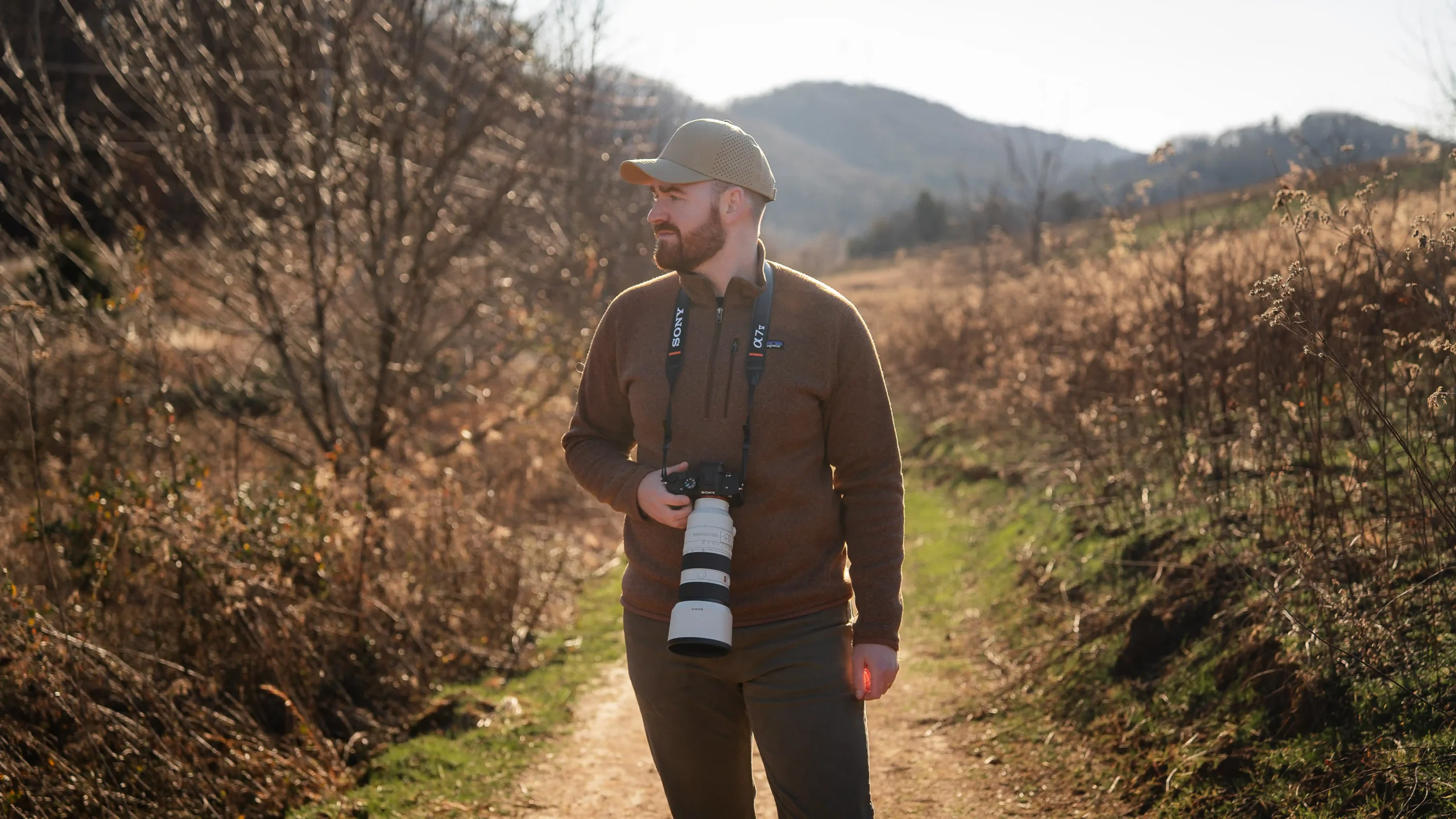
Sony added a new AI-driven autofocus system that changes how the camera recognizes and tracks subjects. For wildlife, I’ve had moments where I was genuinely surprised, especially when it locked onto a small bird’s eye from far away. When it works, it feels almost effortless. I spend less time fighting focus and more time paying attention to composition which is exactly how it should be.
That said, it isn’t magic. In tougher situations, like when small subjects are far away, partially hidden, or blending into busy backgrounds, I’ve definitely seen the system struggle to recognize the subject. Some of that comes down to lens reach and how much detail the camera has to work with, but it’s still worth noting. The AI autofocus is extremely impressive, but it’s not perfect, and pushing it to its limits will show where those boundaries are. Even with that, it’s a meaningful step forward and reason to consider upgrading to this camera.
Body, Grip, and In-Body Stabilization
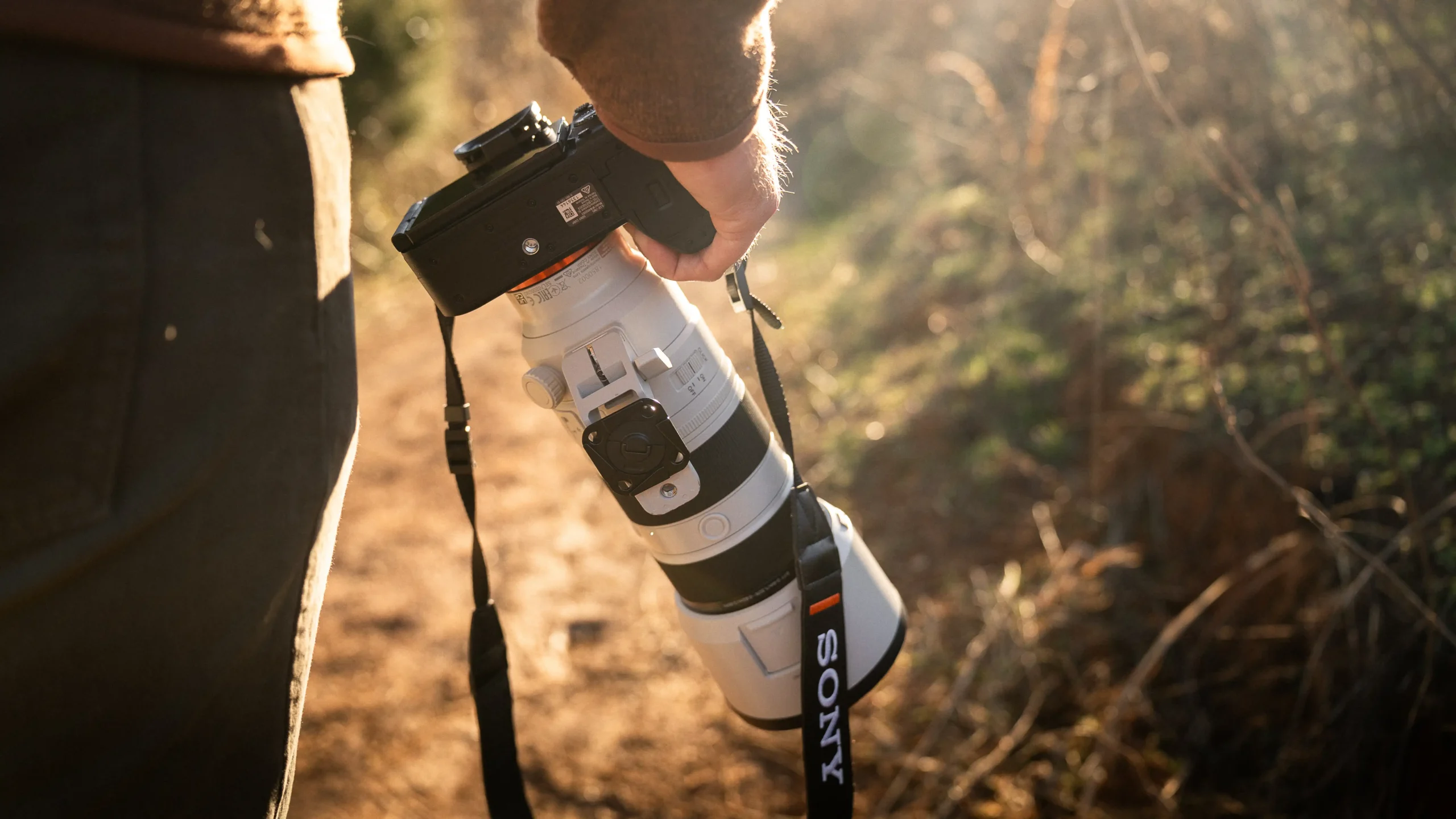
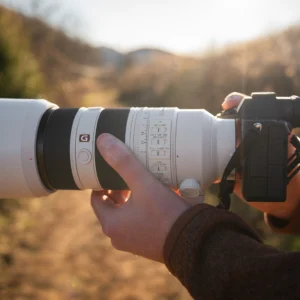
After using the grip on the A7 V, I don’t think I’ll ever go back to a grip like the one on my compact camera. It’s comfortable, secure, and gives me confidence I won’t drop the camera, especially when I’m shooting with larger lenses like my 70–200mm telephoto. It’s such a refreshing upgrade. Handholding is easier than I expected, and the upgraded in-body stabilization really helps. Shots are steadier, framing feels more controlled, and I can confidently shoot at slower shutter speeds without worrying as much about blur. It makes handheld shooting a lot less stressful and more enjoyable.
Sony continues to do a solid job with weather sealing. I’ve taken the A7 V out in light rain without issue, including on the first day I tested it. I still stay cautious, but knowing the camera is built to handle less-than-ideal weather adds peace of mind. I won’t get into video or heat performance here since I focus on stills, but it’s worth noting the camera is designed to keep cool during extended use.
Viewfinder and Screen Upgrades
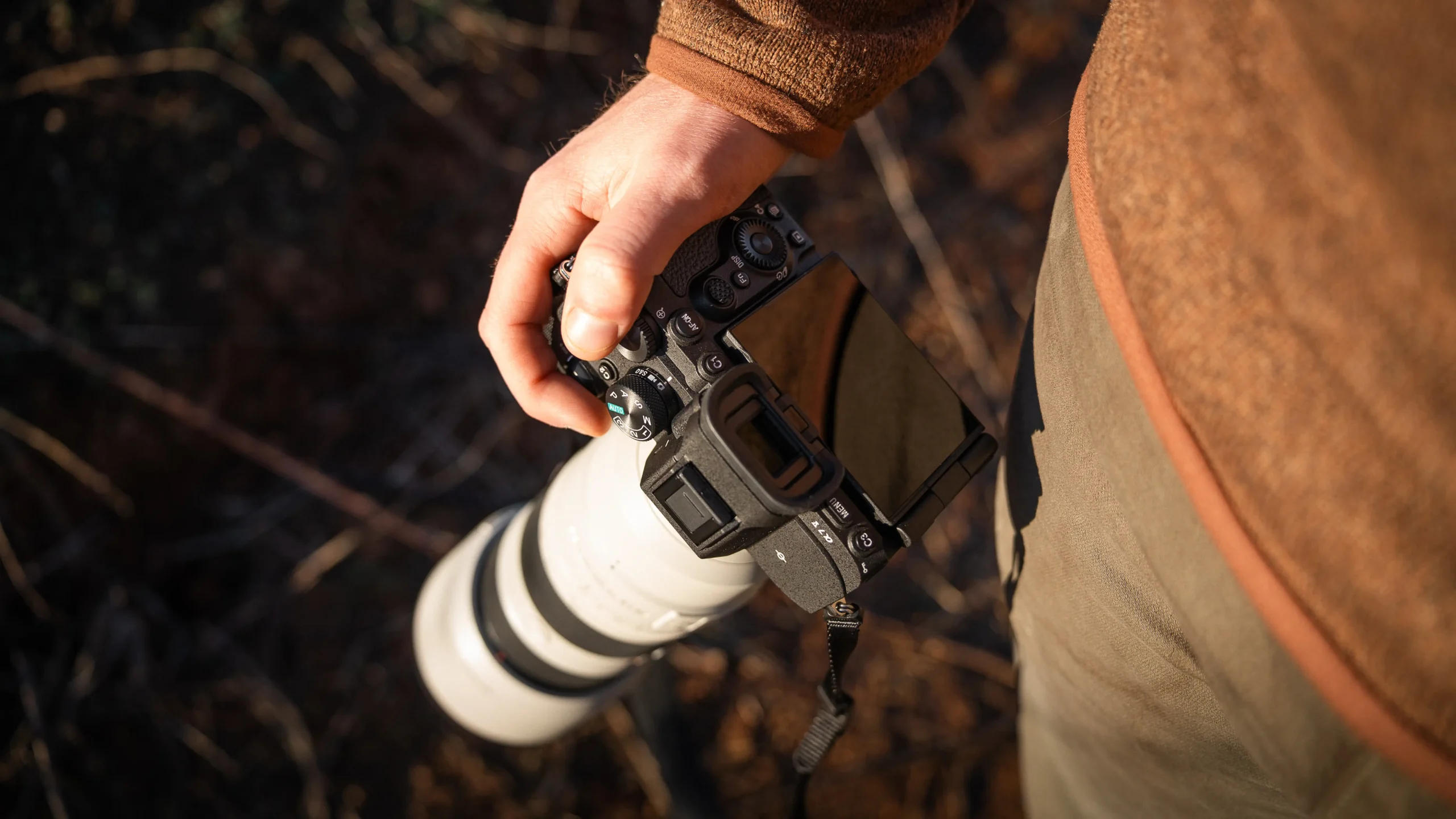
So personally speaking, I never enjoyed using the viewfinder on my previous compact camera, the A7C. I was excited to finally be joining the rest of the world in having a “normal” viewfinder in the middle of the camera. At first, I wasn’t sure how I’d feel about the placement of the viewfinder compared to the A7C, where the viewfinder sits on the far left. Sure, my nose bumps the screen now, but I still much prefer it over the tiny viewfinder on my old camera, especially on super bright days when I had to squint to see anything.
I also really enjoy using the screen. It rotates like my old camera did, but the tilt motion is new for me. I find myself using the tilt more now since I’m not limited to flipping the screen all the way out to get a low or high angle shot. These aren’t revolutionary features by any means, but for me, they make shooting feel more natural and flexible.
What Should You Buy Next?
I wasn’t originally going to include this section, but I remember how overwhelming it felt trying to figure out what to buy after getting my first camera. There are so many options, and it’s easy to waste money on things you don’t actually need. So I figured I’d add this as a bonus and share the gear that has genuinely helped me the most.
Below is a short list of the things I use regularly and feel good recommending. None of this is about buying more gear just to buy it. It’s simply what has made shooting easier, more enjoyable, and more consistent for me.
My Camera: Sony A7 V Full Frame Camera
My Camera Lenses: Tamron 28-75mm G2, Tamron 16-30mm G2, Sony 70-200mm OSS II
Memory Cards: Lexar Professional CFexpress Type A
CP Filter: PolarPro Circular Polarizer (CP) Filter
ND Fitler: PolarPro Variable Neutral Density Lens Filter
Camera Bag: Everyday Backpack 30L
Capture Clip: Capture Camera Clip
Capture Plate: Field Plate
Camera Sling: Slide Camera Strap
Tripod: Peak Design Travel Tripod
Is the A7 V Right for You?
I think this camera is a fantastic option for anyone looking to buy their first full-frame camera. Likely the A7 V will remain relevant for years and possibly have as much of an impact as the legendary A7 III. If your focus is wildlife, outdoor, or travel photography, this camera is an excellent choice. It’s also great for any scenario that requires quick capturing, like wildlife, sports, racing, etc.
If your main goal is shooting video, I would not recommend this camera for that. I think Sony will probably release stronger options soon for video. And if you recently got an A7 IV, the upgrades are tempting, but I do not think they justify spending all over again unless budget is not a concern.
I have really enjoyed sharing my thoughts here and I would love to hear from you. If you’re considering buying the A7 V, please leave a comment. And if you have any questions, feel free to reach out. You can reach me on Instagram or TikTok, where I’m active daily.

Leave A Reply