


Planning Your First Trip to Dublin
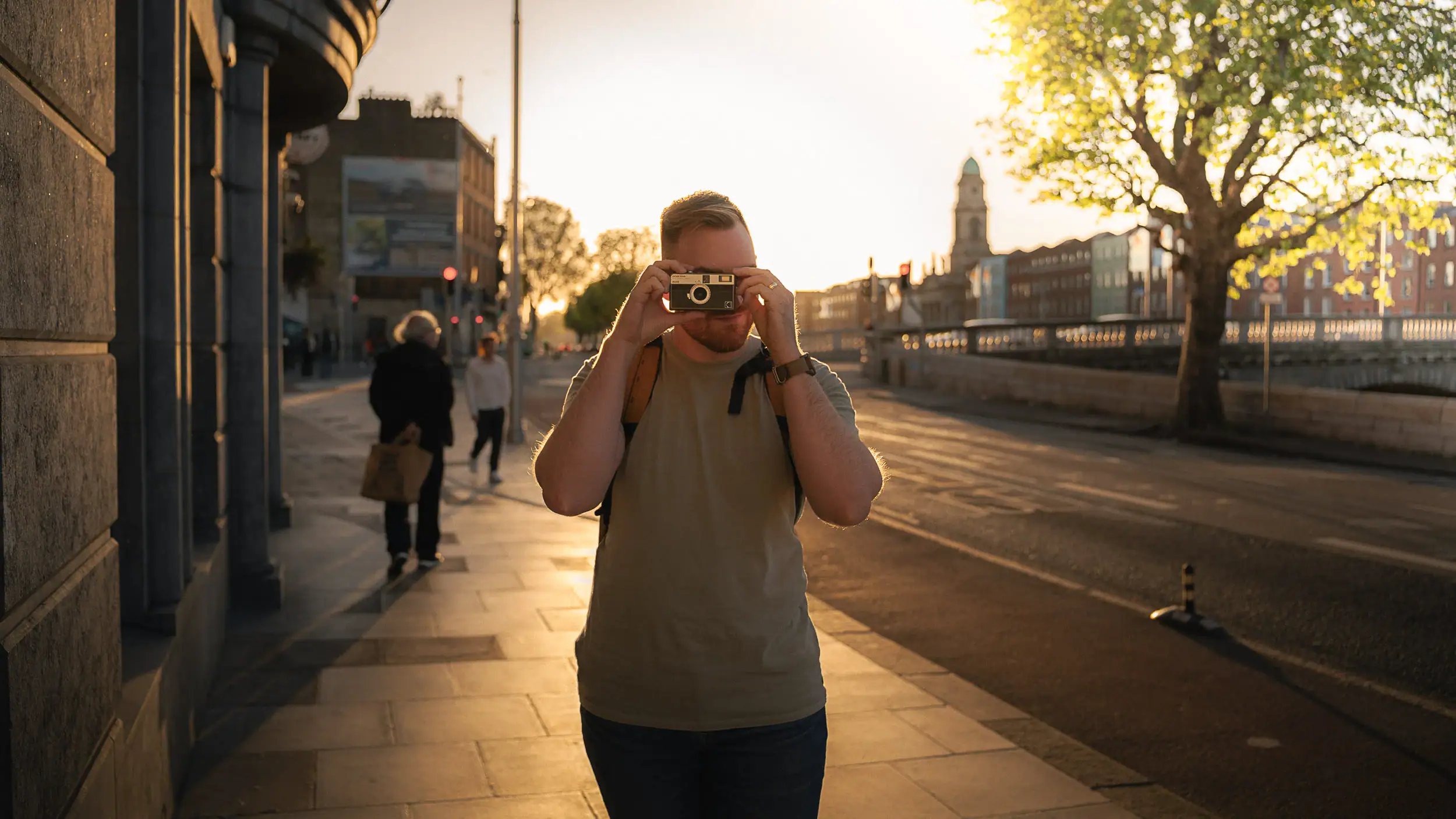
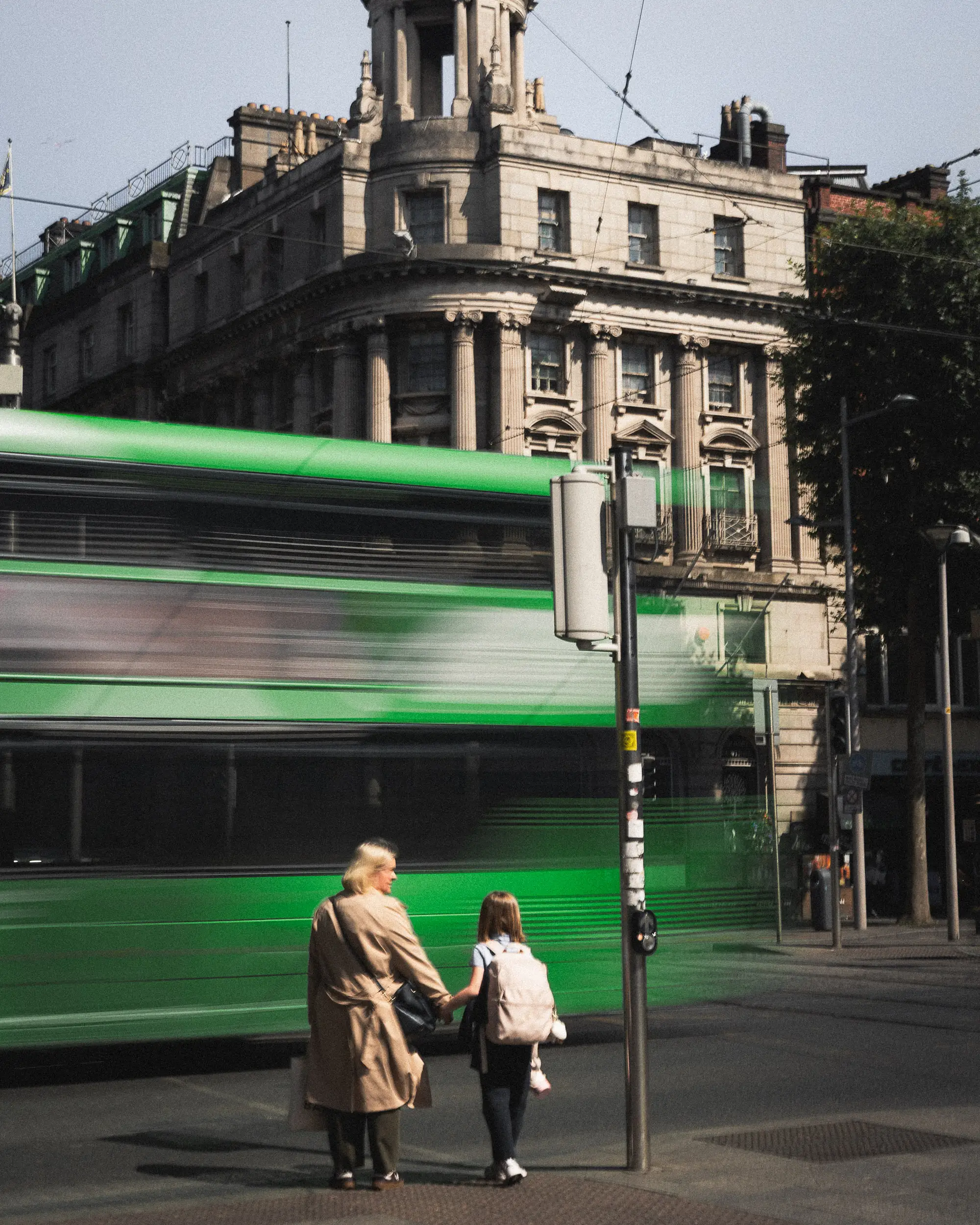
POV: It’s your first time visiting Dublin. The streets are alive with movement. Double-decker buses pinball through traffic as crowds surge past historic buildings. Footsteps echo along the cobblestone sidewalks, and the chatter of Irish accents fills the air. Pubs and cafés are tucked into nearly every corner. At every turn, there’s a reminder of the city’s layered history, with castles, cathedrals, and weathered signs written in Gaelic. This isn’t the rolling green Ireland you’ve seen on postcards. This is the beating heart of Ireland.
If you’re planning your first trip to Dublin, this guide is for you. I’ll introduce you to Dublin’s most iconic places, share important travel tips, and cover everything you need to know for a successful visit.
What to Do Right After You Land in Dublin
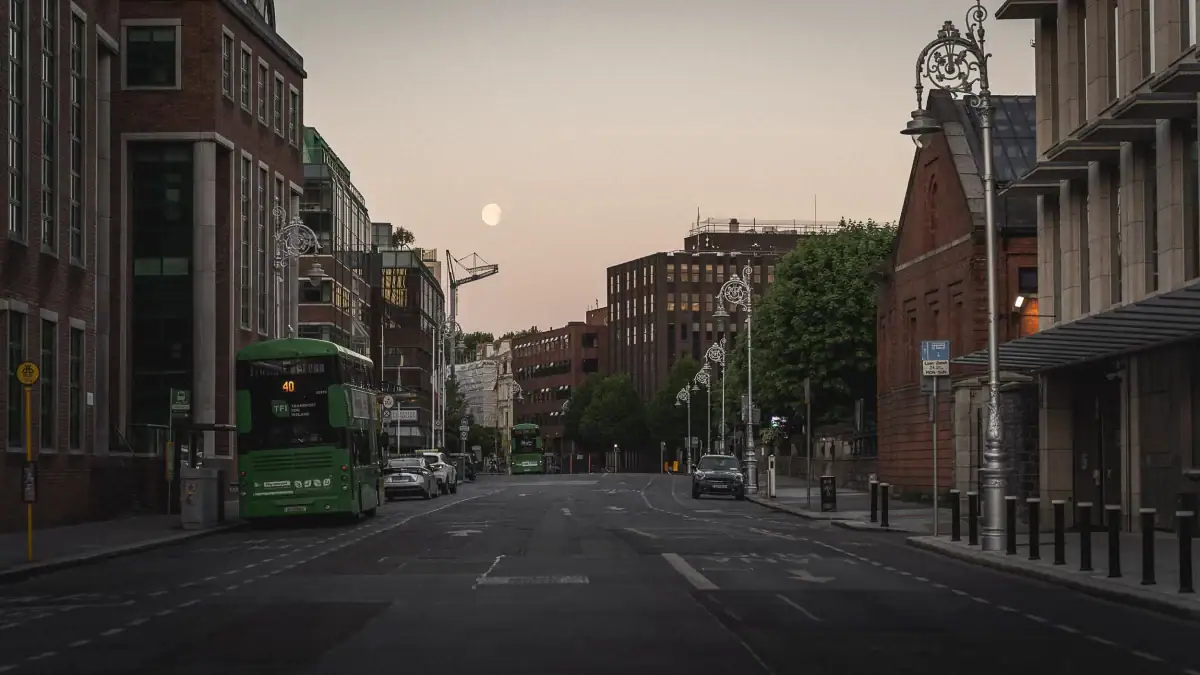
Flying into Dublin: We arrived early in the morning after a redeye flight, running on zero sleep and a lot of caffeine. If you’re arriving on a similar schedule, I recommend giving yourself a buffer before jumping into your first activity. Even just an hour to walk around, get your bearings, and find something to eat can make a big difference.
Recharge and find a café: For us, that spot was Il Valentino Bakery & Café, just a short walk from Dublin Castle. It’s a small corner café, but nothing about the food felt ordinary. Everything tasted fresh, thoughtfully made, and full of flavor. That became a pattern with most of the meals we had throughout Ireland.
1. Dublin Castle: Ireland’s Most Iconic Castle
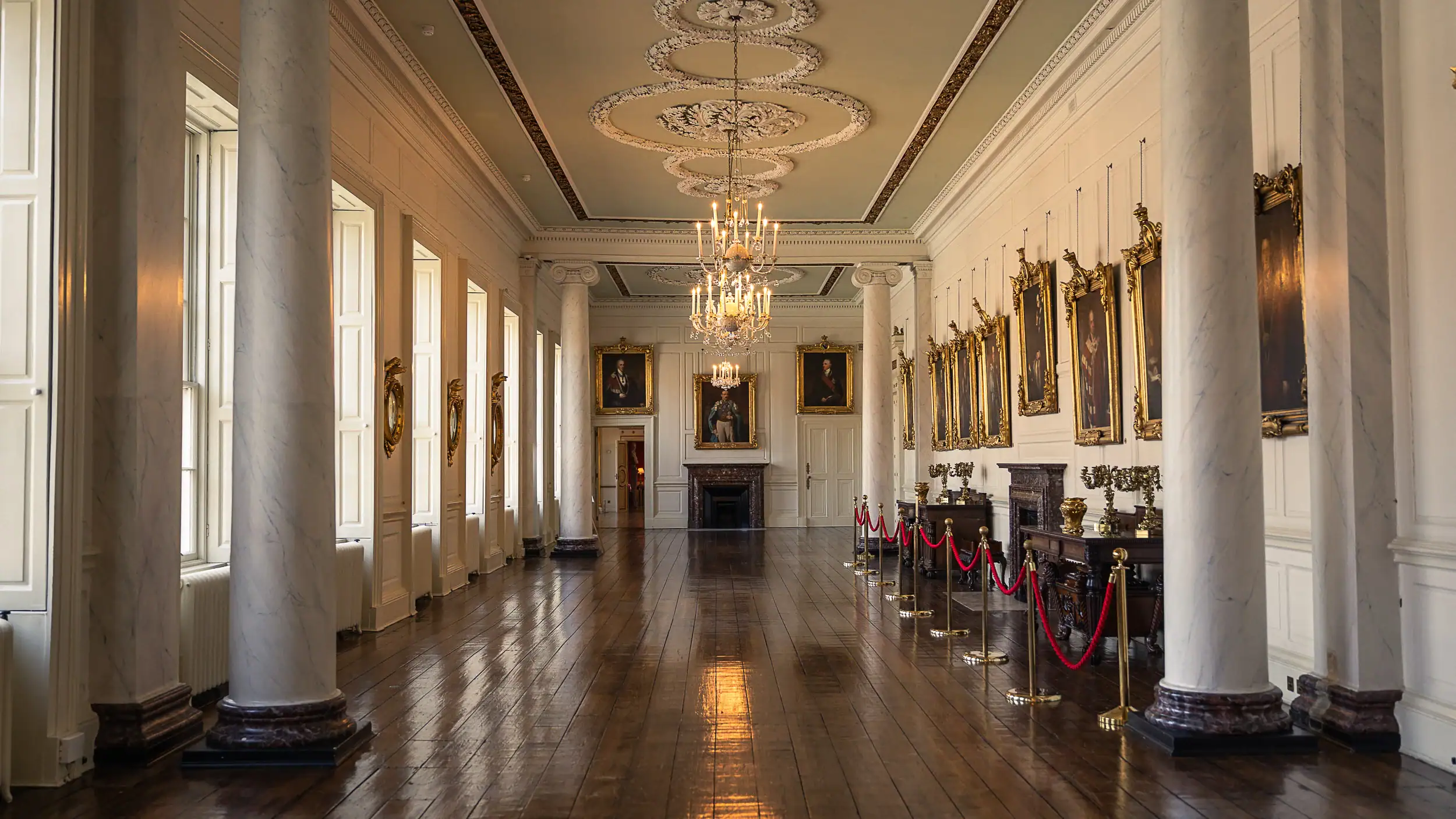
If it’s your first time in Dublin, Dublin Castle is a great place to begin. It’s one of Irelands most historic landmarks. What started as a Viking settlement later became the seat of British rule, and today it is still used for official state events. The main highlight is the State Apartments, a series of elegant rooms with gold accents and centuries of Irish history woven into every detail. Give yourself about an hour to an hour and a half. It is self-guided, low pressure, and easy to move through at your own pace.
Helpful Tip: Dublin Castle has spacious lockers on site where you can store your luggage securely. The locks are built in and everything felt safe and well maintained. Since most hotels don’t allow check-in until later in the afternoon, this was a game changer for us. We were able to drop our heavy packs and actually enjoy exploring the castle without being weighed down.
Right behind the castle is Dubh Linn Garden, a quiet green park perfect for taking a break and people-watching. It’s a great contrast after being indoors.
Time Needed: 1 to 1.5 hours
Tickets: Book here and find more info
2. Trinity College: The Book of Kells and Ireland’s Oldest Library
Just a 10-minute walk from Dublin Castle, Trinity College is home to two of the city’s most iconic attractions: the Book of Kells and the Long Room Library. When you arrive, start with the Book of Kells Exhibition. This area displays the manuscript itself alongside other illuminated texts and artifacts, showcasing the incredible artwork, preservation, and cultural significance of one of the oldest surviving manuscripts in the world. Tickets must be purchased in advance, as entry times do sell out.
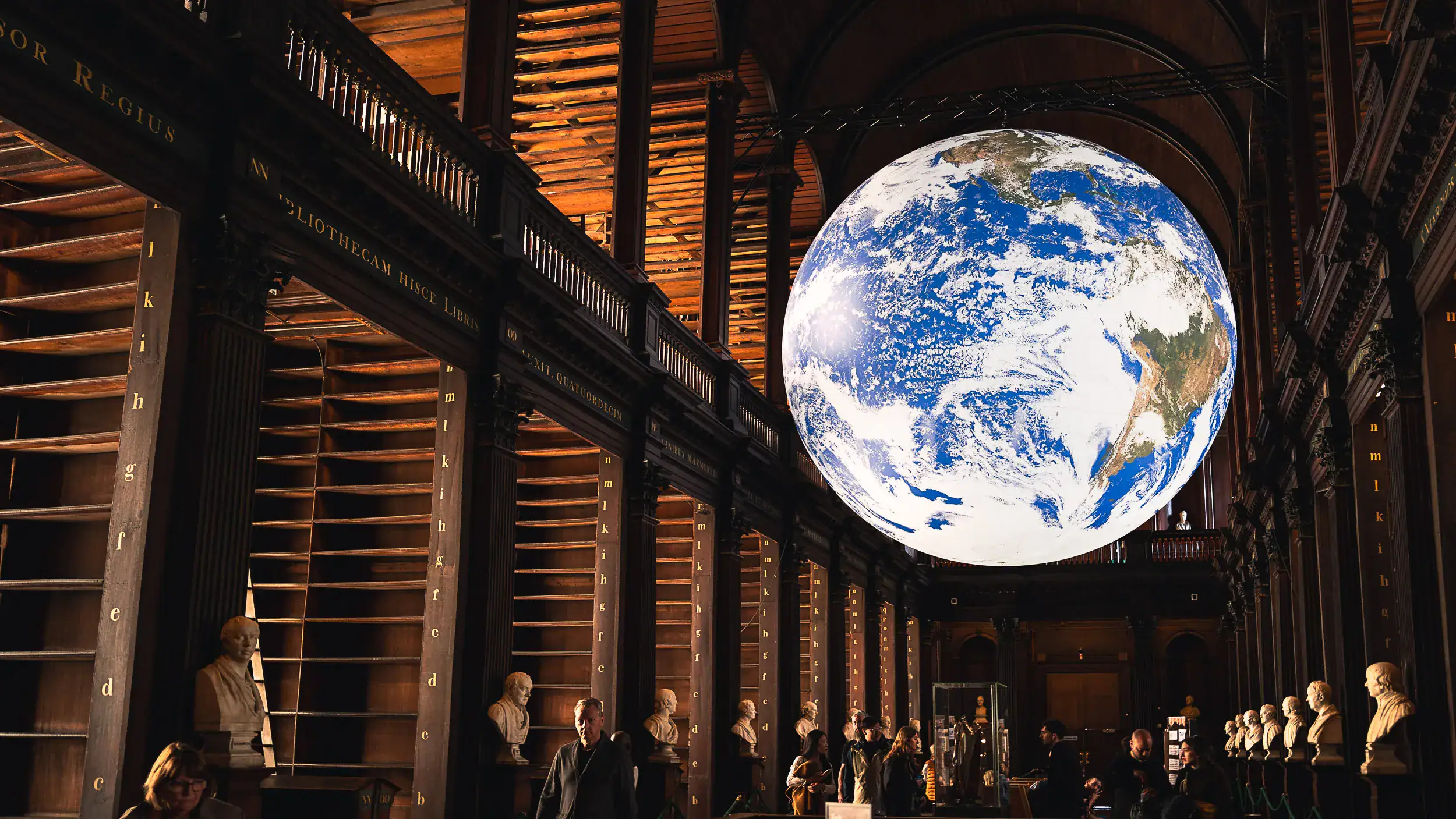
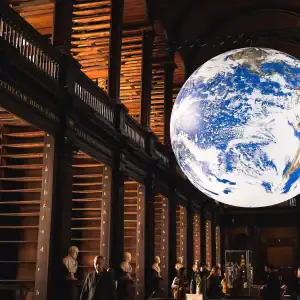
After exploring the exhibition, head into the Long Room Library. This stunning space is lined with antique books, arched ceilings, wooden ladders, and marble busts of philosophers and writers. I could have easily stayed here for hours. During our visit, the majority of the books had been temporarily removed for a conservation project. Also on display in this room is Ireland’s oldest surviving harp — the very symbol that inspired the national emblem and the Guinness logo.
Fun fact: The design of the Jedi Archives in Star Wars is widely believed to have been inspired by this library.
Nearby, you’ll find The Red Pavilion, an interactive visitor center where advanced projectors bring the Book of Kells’ history and art to life through immersive scenes.
Time Needed: 1 to 1.5 hours
Tickets: Book here and find more info
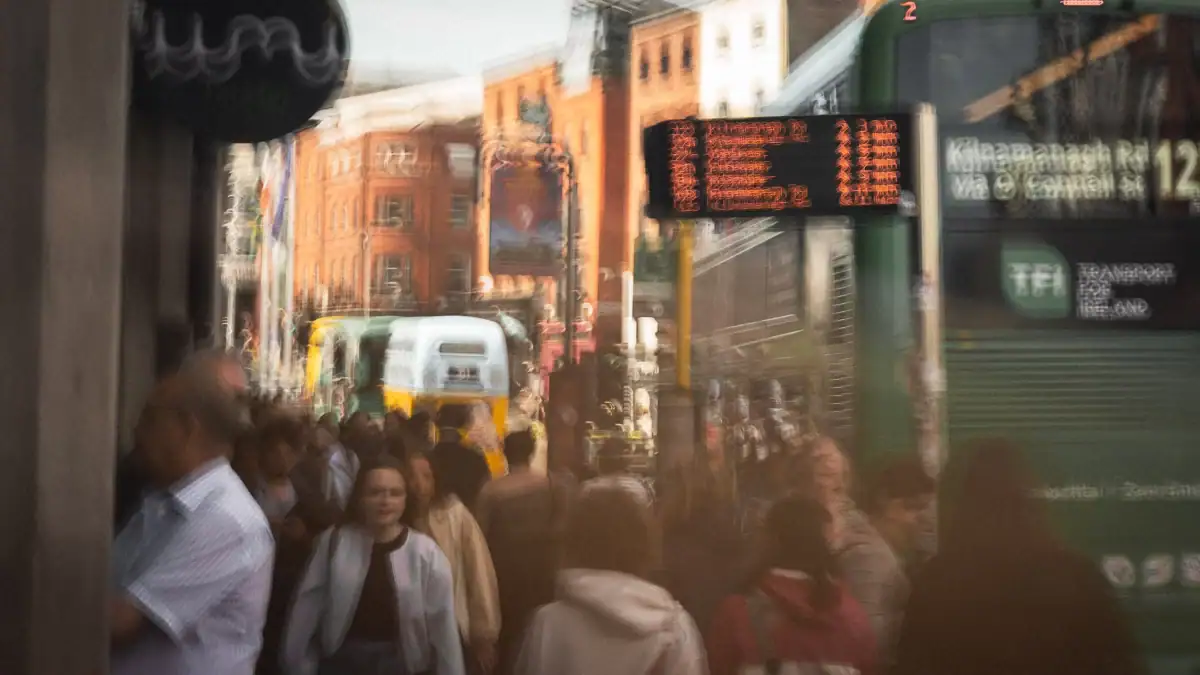
3. Temple Bar and O’Connell Street: Tourist Hotspots
Temple Bar is the most touristy part of Dublin — the place everyone seems to want to see at least once. It’s packed with people, and you might even feel a bit claustrophobic with the sheer number of visitors. The famous red Temple Bar pub is a popular photo spot, and there’s usually live music playing somewhere nearby. We didn’t stay long because of the crowds, but it’s worth walking through at least once to experience the energy. From O’Connell Street, it’s about a 10-minute walk, and from Trinity College, closer to 7 minutes.
Just a short distance away, O’Connell Street stands out as one of Dublin’s busiest and most well-known thoroughfares. Since we stayed at a hotel right on this street, we spent a good amount of time exploring the area. It had a bit of a Times Square feel — lots of foot traffic, shops, fast food spots, and plenty of people-watching. While you’re here, be sure to snap a photo with The Spire, a massive stainless steel monument that’s hard to miss. From Trinity College, it’s about a 15-minute walk to O’Connell Street.
Just a quick heads-up
- Dublin felt very safe overall. That said, these areas are busy, so if you’re carrying a backpack, keep your valuables zipped and stay aware of your surroundings.
- Public bathrooms aren’t always easy to come by, and some places charge a small fee to use them. It helps to have a few euros always on hand.
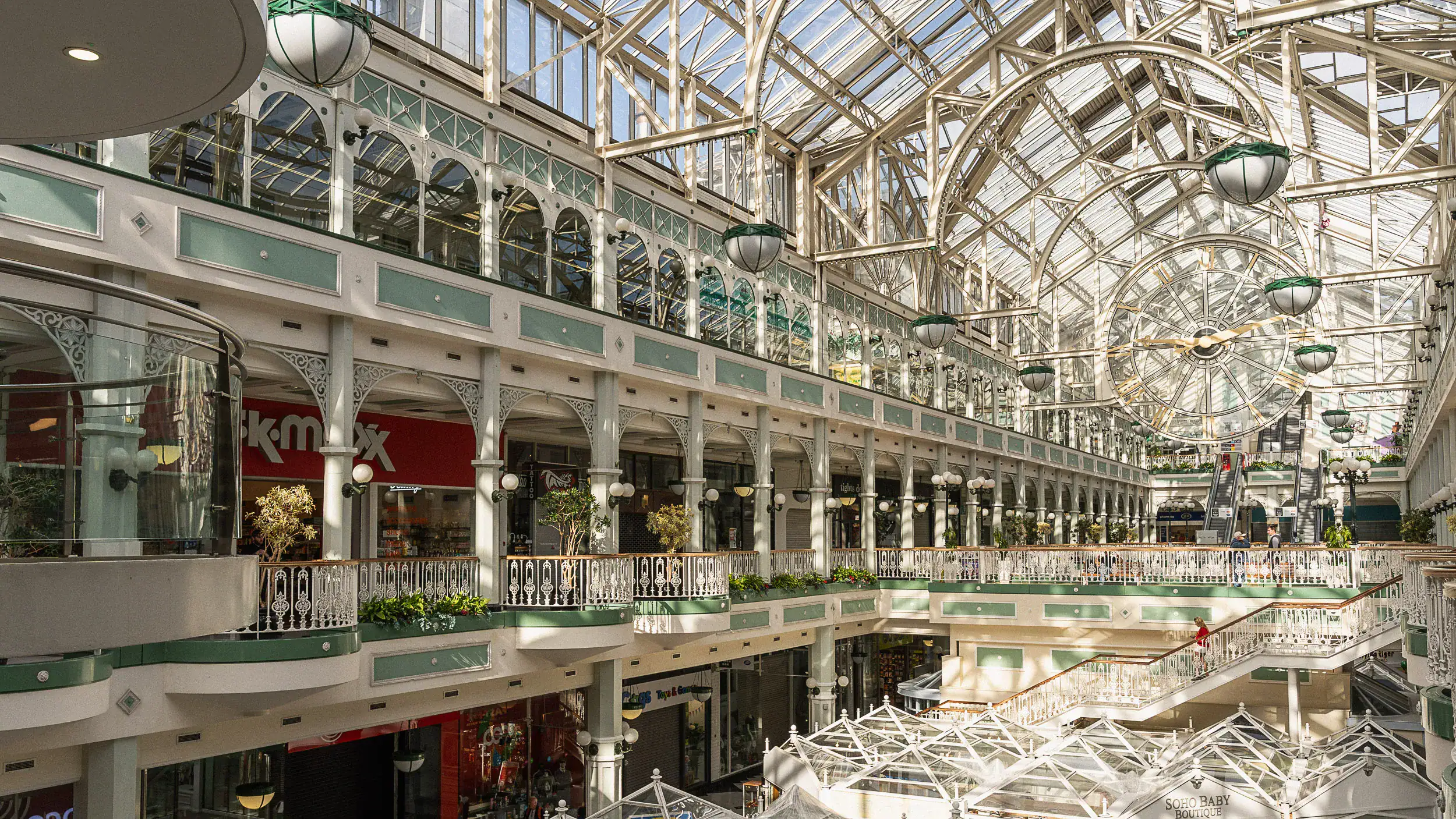
4. St. Stephen’s Green Shopping Centre and Park
St. Stephen’s Green Shopping Centre stands on the site of Dublin’s old City Market, where fruit and vegetables were sold for generations until it closed in 1988. Developers preserved the Georgian façades along St. Stephen’s Green East and wove them into the modern glass atrium and iron balconies you see today. Even if you’re not in shopping mode, it’s fascinating to wander the sunlit corridors and spot the blend of historic stonework with contemporary design.
When you’re ready for fresh air, cross the street into St. Stephen’s Green Park—wide lawns, a tranquil duck pond, and shaded pathways offer the perfect counterpoint to the city’s buzz. For a quick bite nearby, head to Beanhive Coffee, which was my favorite café of the entire trip. They also serve a full Irish breakfast that you won’t want to miss.
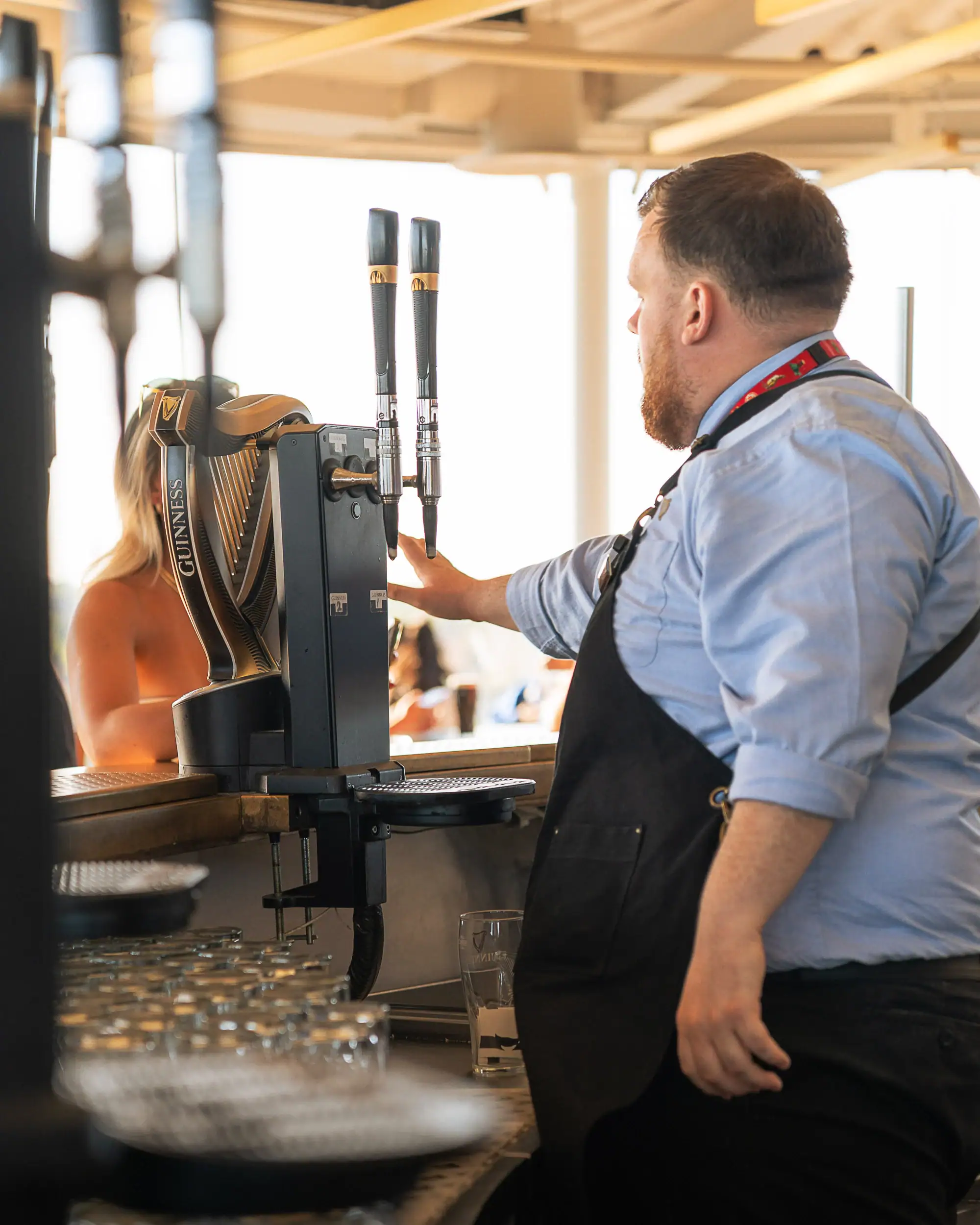
5. Tour the Guinness Storehouse and Soak in the Gravity Bar View
By late afternoon, after a full day of exploring, it’s time to wind down with one of the most iconic experiences in Dublin: a visit to the Guinness Storehouse.
Even if you’re not a beer drinker, this place is worth your time. Guinness was born in Dublin, and its story is a major part of the city’s identity. The entire tour is interactive, immersive, and surprisingly creative. It walks you through how Guinness is made, the history of its founder Arthur Guinness, and how it became one of Ireland’s most recognized exports.
The building itself is massive, with seven different floors, each offering something new. You’ll walk through rooms that recreate the key ingredients with water features, barley fields, and old-school machinery. The visuals feel thoughtful and modern. In many ways, it’s more of a museum-meets-experience than a standard brewery tour.
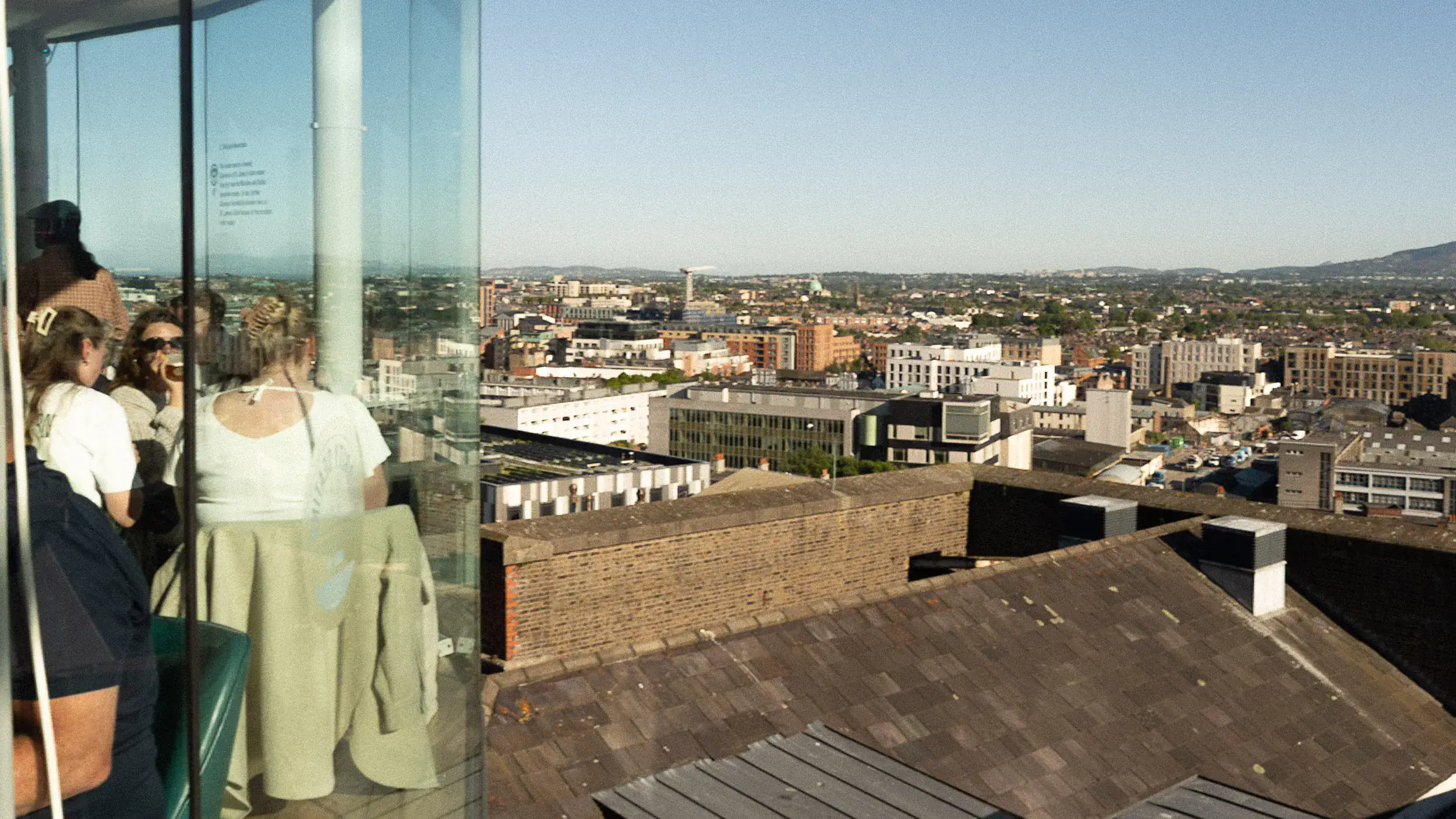
You can sample Guinness along the way, and yes, they do have a non-alcoholic version for anyone curious but not drinking. At the top, you’ll end your visit in the Gravity Bar, a circular glass bar with panoramic views of Dublin. It’s the perfect place to sip a pint and take in the skyline.
Plan to spend at least 1.5 to 2 hours here, especially if you want to linger. If possible, time your visit for late afternoon so you can catch sunset from the top.
From Trinity College, it’s about a 30-minute walk to the Guinness Storehouse. You can also take a bus or taxi if you’d rather save your legs for the next stop. Tickets sell out, so it’s smart to book in advance: Visit the Guinness Storehouse
Quick note on food: There are places to eat inside, but they close earlier than you might expect. We arrived too late to try it, but if you’re ahead of schedule, it could make for a solid early dinner spot.
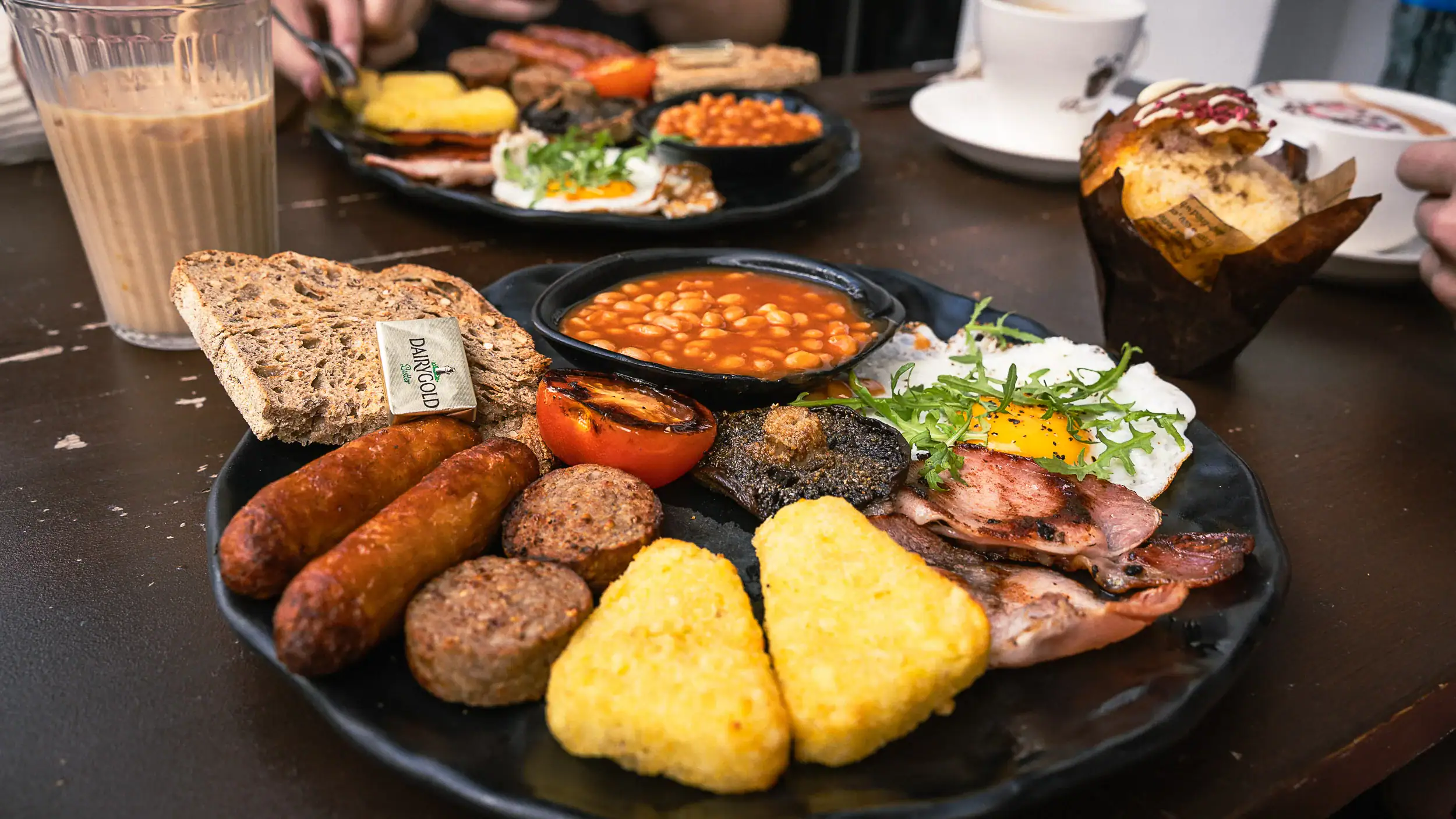
Irish Food, Places to Eat, & What to Order.
After wrapping up your visit to the Guinness Storehouse, chances are you’ll be hungry, and luckily, this part of Dublin has no shortage of solid dinner spots. If you didn’t grab a bite during your tour, here are a few places I personally recommend to finish the night strong with some classic Irish food and a proper pub atmosphere.
The Brazen Head – Ireland’s Oldest Pub
About a 10-minute walk from the Guinness Storehouse, The Brazen Head is a great choice if you’re looking for a place that feels authentic and lively. It’s actually the oldest pub in Ireland, dating back to 1198, but it doesn’t feel like a tourist trap. When we went, the place was packed with locals, there was live music playing, and the whole vibe was just right. It felt warm, welcoming, and full of character.
They have outdoor seating, which was a nice bonus, and the menu covers all the Irish staples. I ordered the Bangers and Mash, while a couple folks in our group ordered the Fish and Chips. I also had a pint of Brazen Red, their house red ale, and it was excellent. The service stood out, too. If you’re from the States and wondering about tipping, we weren’t pressured at all, but we left one anyway because the experience really was that good.
O’Connell’s Pub – Great Food and Even Better Company
If you end up closer to O’Connell Street later in the night, this one is worth checking out. We went to O’Connell’s Pub on our last day in Dublin, and I still think about it. The vibe was energetic but not chaotic. What stood out most was one of the staff members. He was everywhere, taking orders, pouring drinks, and cracking jokes with the tables. He genuinely seemed to love his job and meeting travelers. It felt like more than just a meal. It was a full experience.
I ordered the Cottage Pie and tried both a Rockshore Lager and Carlsberg, which are easy to find around Ireland. If you enjoy beer or cider, I’d recommend trying a few local brews while you’re here. Most pub menus will offer something new to explore.
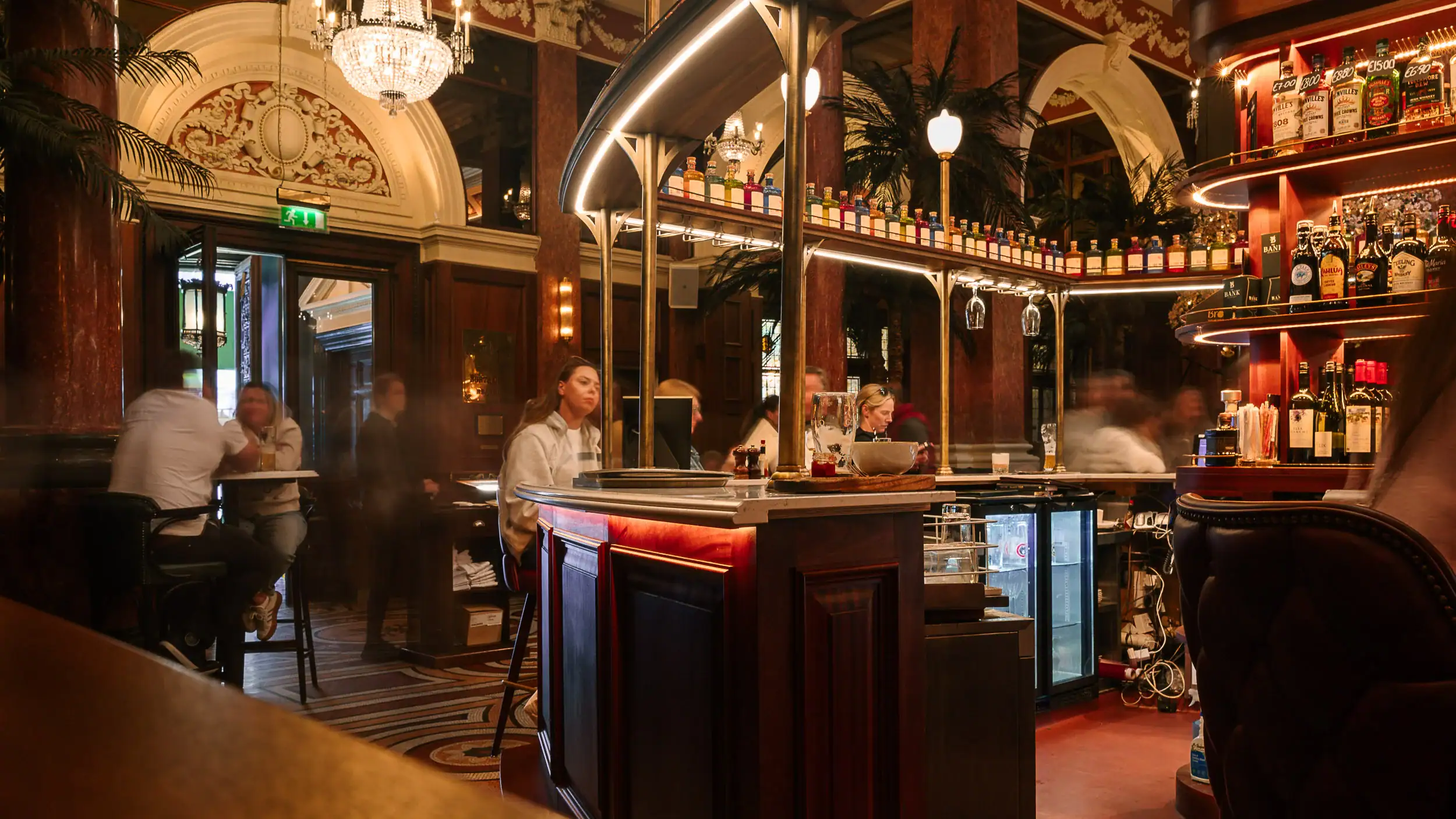
The Bank on College Green
If you’re in the mood for something a little fancier or want to end your night somewhere with a classy atmosphere, check out The Bank on College Green. As the name suggests, it’s set inside a restored 19th-century bank, and the space is stunning. Tall marble columns, stained-glass windows, and a vaulted ceiling give it a grand, historic feel — but without any of the stuffiness.
We stopped in for a round of cocktails and found the experience relaxed and elevated. The drink selection was solid, and the setting made it feel like more than just another bar stop. It’s the kind of place where you might want to dress up a bit, especially if you’re looking to end your night on a high note.

Getting Around Dublin: What You Need to Know
Walking, buses, bikes, and taxis — Dublin gives you options. Most of the places we visited were within walking distance, which made exploring easy and enjoyable. Still, for longer routes like getting from the airport to downtown or heading to the Guinness Storehouse, we used other options.
Walking
Dublin’s city center is compact, and walking is one of the best ways to experience it. If possible, plan your itinerary around walkability. That said, weather can change or someone in your group might need a break, so it’s good to have alternatives in mind.
Buses
The bus system is extensive and runs often. Stops are easy to find, but the buses don’t always run on a strict schedule. If you need to be somewhere at a set time, give yourself a buffer. You can pay with euros or use a Leap Visitor Card, which also works on trams and trains.
Find routes and schedules at the official Dublin Bus website.
Bikes and Scooters
We didn’t use these, but they’re a popular option. You’ll see plenty of people getting around on rental bikes and e-scooters. Dublinbikes handles the pedal bikes, while Lime and Tier offer e-scooter rentals.
You can check details at Dublinbikes or through Transport for Ireland.
Taxis
We didn’t use a taxi while in Dublin, but we did elsewhere in Ireland when public transport wasn’t an option. In Dublin, you can easily flag one down or use an app like Free Now, which works like Uber. It’s a handy backup if you miss a bus or just want to get somewhere faster.
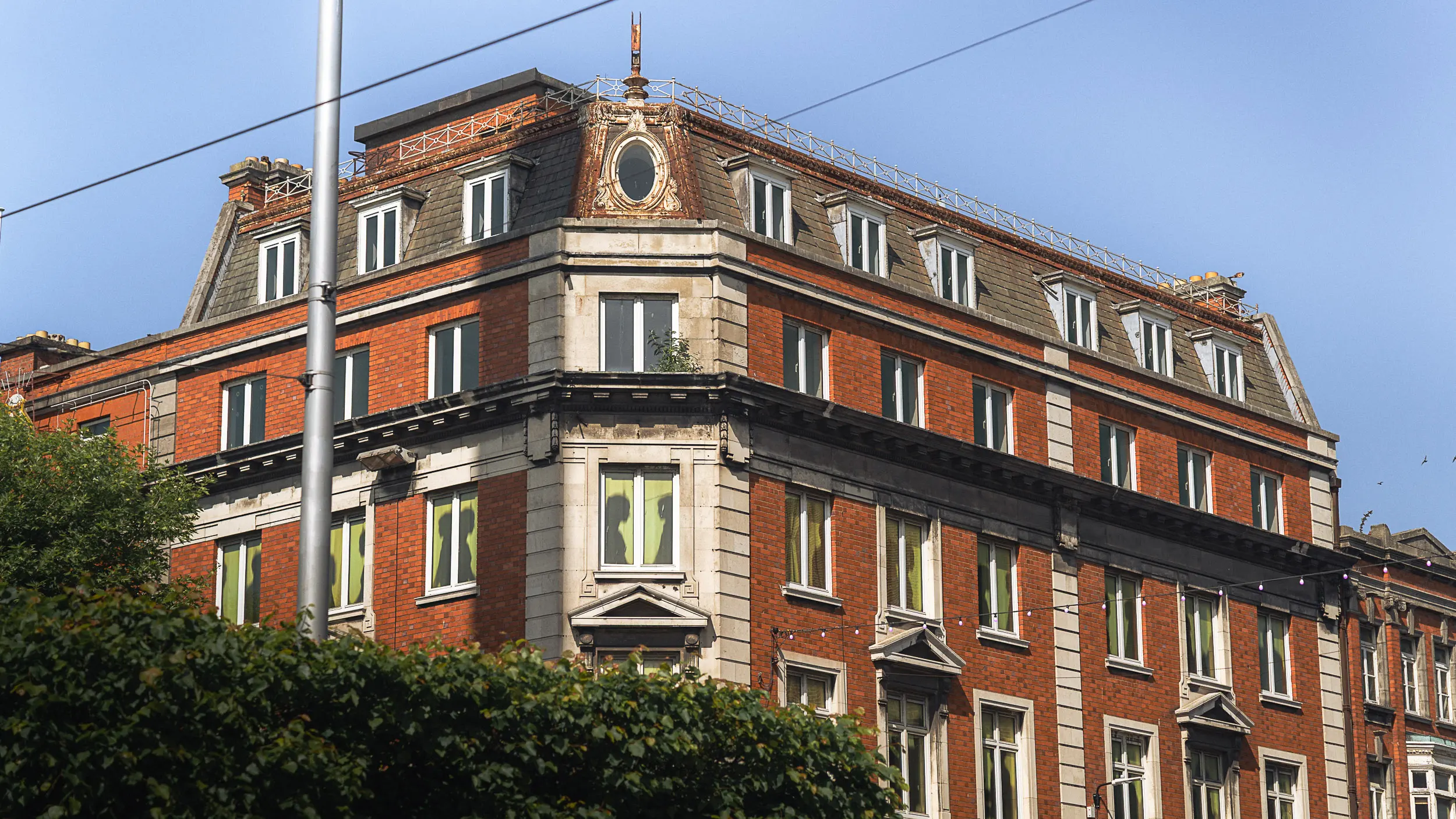
Places to Stay in Dublin
If it’s your first time in Dublin, choosing the right area to stay in can make a big difference. You’ll want something central enough to walk to key attractions, but quiet enough to actually relax.
We stayed at Sonder – The Earl on Leeson Street, and it was a solid choice. The neighborhood felt safe, walkable, and a little removed from the city’s busiest zones. The hotel itself was clean and modern, with helpful staff. One thing to note: there’s no air conditioning, which is common across much of Ireland. It wasn’t an issue during our visit, but in warmer months, that could be something to plan around.
Later in the trip, we also stayed at Cassidys Hotel on O’Connell Street, which is one of Dublin’s most well-known roads. It was much busier here, with more foot traffic and late-night activity. This spot worked well for convenience—it’s central and surrounded by restaurants, shops, and public transportation—but it had more of that downtown hustle.
If neither of these sound like your style, you’ll find everything from boutique hotels to well-rated hostels scattered across the city center. Just double-check how far your hotel is from landmarks like Trinity College, Dublin Castle, or the Guinness Storehouse to make sure your itinerary stays walkable.
Final Thoughts
If you made it this far, thanks for reading. I hope this helped you get a better sense of what to see, eat, and experience if you’re planning your own trip to Dublin. I tried to keep this guide grounded in my own experience while also giving you the kind of practical info I wish I had before going.
If you’ve been to Dublin and have a favorite spot I didn’t mention, feel free to drop it in the comments. I’m always looking for new places to check out, especially since I know I’ll be back.
More from Ireland Coming Soon
This blog is just the start of a bigger series I’m putting together from my trip to Ireland in spring 2025. We spent two days in Dublin, but also made our way to Galway and Cork, each with their own feel and rhythm. I’ll be writing about those soon and will update this section with links as each post goes live. Check back or follow along if you want more ideas for your own time on the Emerald Isle.

Leave A Reply